Pallet buying guide
Planning a Recurring Pallet Supply for Your Warehouse
By Gulf Coast Pallet LLC · · 6 min read
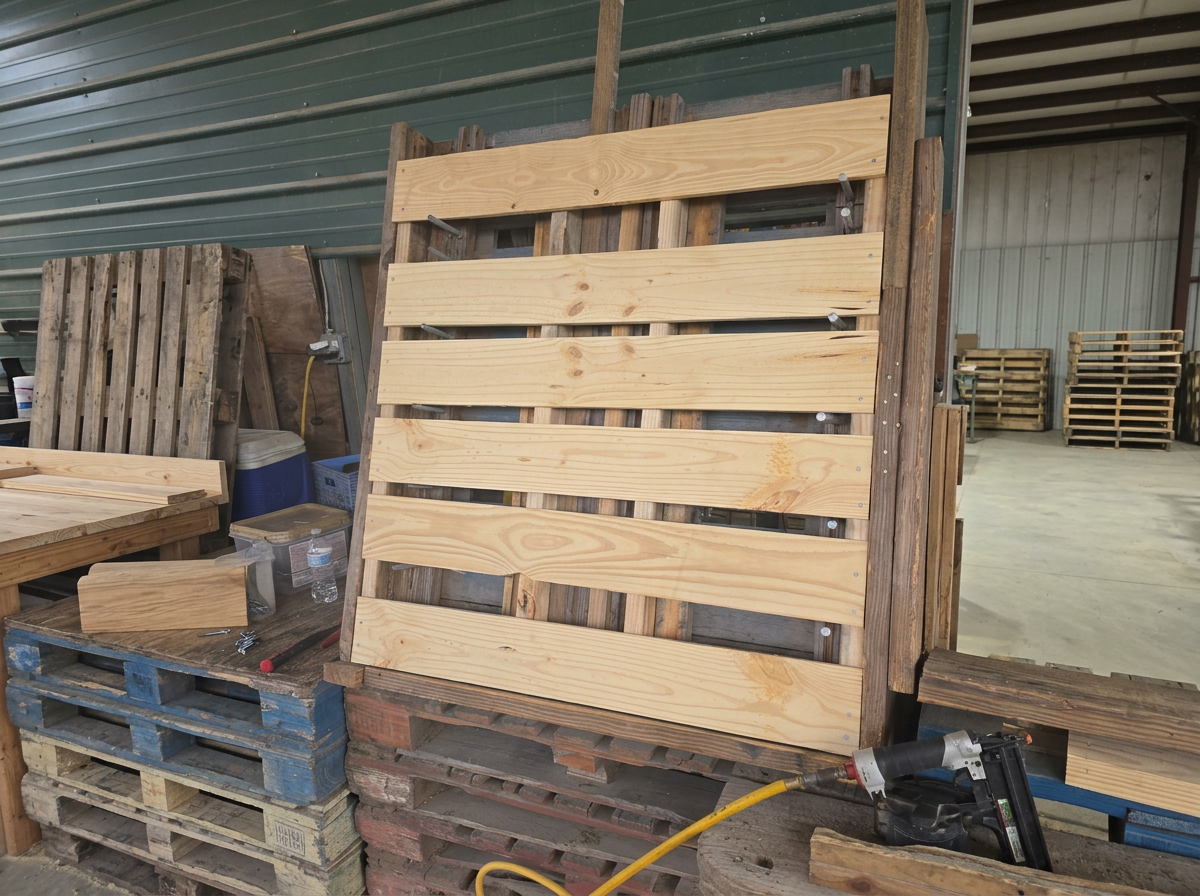
For warehouses, distribution centers and manufacturers, pallets are a consumable like stretch wrap or labels. When they run out, shipping stops. A recurring supply program replaces last-minute orders with a planned schedule built around how your operation actually uses pallets.
Step 1: Estimate your real usage
Start with numbers you already have: outbound shipments per week, pallets per shipment, and how many pallets come back or are reused. Look at the past several months rather than a single week, and note seasonal peaks. A reasonable estimate is enough to start; the schedule can be adjusted as you go.
Step 2: Lock in one specification
A recurring program works best when every delivery matches. Write down the pallet spec once:
- Dimensions and construction (for example, 48×40 GMA-style stringer)
- New or recycled, and grade
- Any customer receiving requirements or heat treatment needs
- A drawing or reference photo for custom builds
If different flows need different pallets — say, Grade A for outbound and Grade B for internal — list each as its own line item with its own expected volume.
Step 3: Choose a delivery cadence
Common schedules are weekly, biweekly or monthly loads. The right cadence balances how much floor or yard space you can give pallets against how often you want trucks at the dock. Larger, less frequent deliveries can make freight more efficient; smaller, frequent deliveries keep less inventory on site.
Step 4: Plan storage and receiving
Decide where incoming pallets will be staged, who receives them and during which hours. Share dock details, appointment requirements and any site restrictions with your supplier so each delivery is routine.
Step 5: Keep a buffer
Hold a modest safety stock for unexpected volume spikes. Tell your supplier how much of a cushion you want to maintain so the schedule can account for it.
Step 6: Communicate changes early
New customers, seasonal swings, a spec change from a retailer, or a facility move all affect pallet demand. The earlier your supplier hears about a change, the easier it is to adjust deliveries. Name a contact on your side who owns pallet orders.
Step 7: Review periodically
Every few months, compare deliveries against actual use. If pallets are piling up or running short, adjust the quantity or cadence. Check that delivered pallets still meet your spec, and raise any consistency issues right away.
Starting small is fine
A recurring program does not have to begin with your entire volume. Many buyers start with one product line, one facility, overflow needs or a backup role, then expand once deliveries prove dependable.
What to send to set up a program
- Pallet specification for each line item
- Estimated weekly or monthly usage, and seasonal peaks
- Preferred delivery frequency
- Delivery ZIP code, dock and receiving details
- Desired start date
Ready for a quote?
Send your pallet spec, quantity and delivery ZIP code. Upload a drawing if you have one.