Pallet buying guide
How to Request a Pallet Quote for Your Business
By Gulf Coast Pallet LLC · · 6 min read
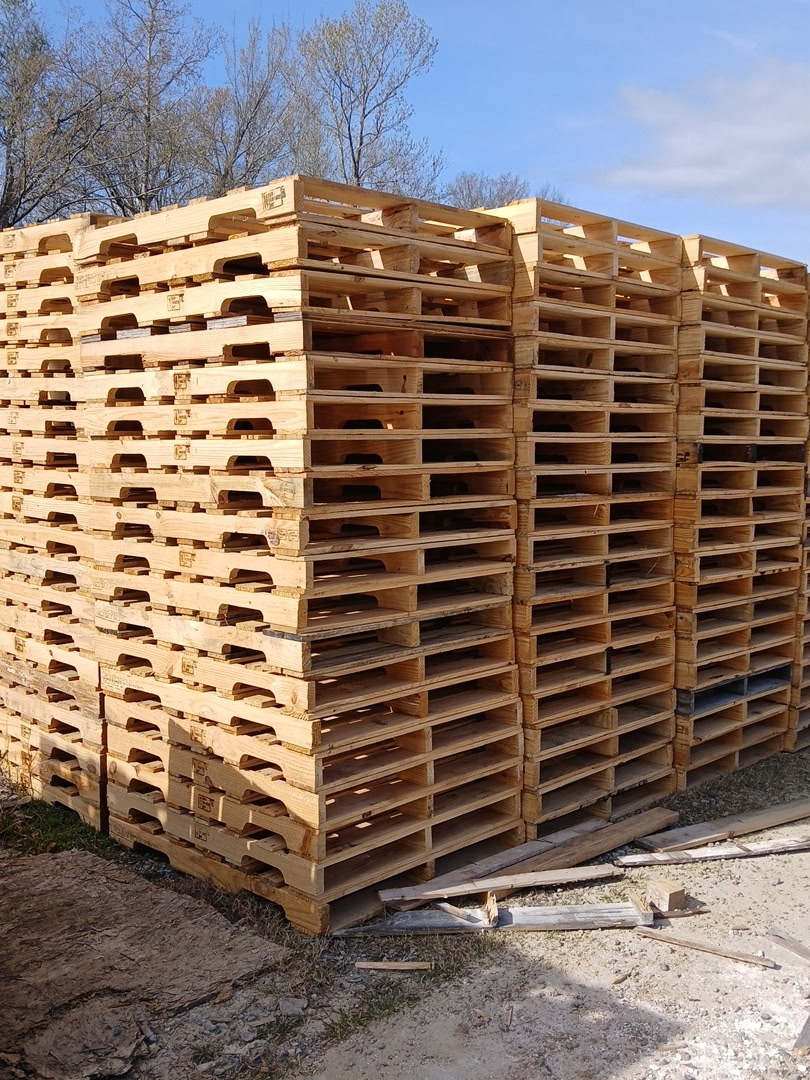
A pallet quote is only as good as the information behind it. Two buyers can both ask for "pallets" and need very different products — a repaired 48×40 for internal warehouse moves is not the same purchase as a new pallet built to a customer's receiving spec. The more complete your request, the fewer back-and-forth calls and the more reliable the quoted number.
1. Start with the pallet itself: size and construction
Give the overall dimensions in inches, length first, then width. On a two-way stringer pallet, length is normally the stringer length — the sides forklift forks do not enter. If you run the standard 48×40 GMA-style pallet, say so — it is the most common pallet in North American distribution and the simplest to quote.
If you need something other than a standard pallet, include what you know:
- Two-way or four-way entry, and whether forks, pallet jacks or both handle it
- Stringer or block construction
- Deck board count and thickness, or a photo of the pallet you use now
- A drawing or written spec if your customer or quality team issues one
A clear photo of your current pallet with a tape measure in frame is often enough to get started on a custom quote.
2. New or recycled, and which grade
State whether you need new lumber pallets or recycled pallets, and if recycled, the grade you expect. Grade A recycled pallets are generally cleaner with original components; Grade B pallets are repaired and suited to internal use. If you are not sure, describe where the pallet goes after it leaves your dock — that usually decides it.
3. Quantity and how often
Quantity drives per-unit cost and how an order is scheduled. Tell us whether this is a one-time order, an overflow or backup need, or a recurring requirement. For recurring supply, an estimated weekly or monthly usage is more useful than a single order number.
4. Delivery ZIP code and site details
Freight is a real part of the landed cost of pallets, so the delivery ZIP code matters. Also mention anything that affects the truck at your site:
- Dock height, or whether you need to unload from ground level
- Receiving hours and appointment requirements
- Trailer or truck size restrictions at your facility
5. Load and handling requirements
Describe what goes on the pallet: approximate load weight, whether loads are stacked, and whether the pallet will sit in racking. Racked, heavy or stacked loads may need a different build than floor-stored light freight. Share what you know about the load rather than guessing at a rating — the spec can be matched to the real use.
6. Special requirements
If the pallets ship overseas, mention it so heat-treated pallets can be included in the quote; your freight forwarder can confirm the destination's wood packaging rules. If a retailer or customer has receiving requirements, include their spec sheet.
7. When you need them
Give a required delivery date and say whether it is firm. A realistic date helps the quote reflect actual scheduling rather than a best guess.
A simple checklist
- Dimensions and construction (or a photo / drawing)
- New or recycled, and grade
- Quantity, plus one-time or recurring
- Delivery ZIP code and site/receiving notes
- Load weight, stacking and racking needs
- Export or customer requirements
- Required delivery date
Gulf Coast Pallet's quote form asks for each of these and lets you upload a drawing or spec file. If something is easier to explain by phone, call and walk through it.
Ready for a quote?
Send your pallet spec, quantity and delivery ZIP code. Upload a drawing if you have one.